
Stats
- 135 Mission Posts
- 2 News Items
Last Post
Thu Aug 20th, 2026 @ 5:54pm
Captain Tristan Faust
Name Tristan Stefan Faust
Position Commanding Officer
Rank Captain
Character Information
| Gender | Male | |
| Species | Human | |
| Age | 31 | |
| Birthdate | January 28, 2237 | |
| Theme Song | "Theme From Mannix" (1967) - Lalo Schifrin |
Physical Appearance
| Height | 6' 1" | |
| Weight | 185 | |
| Hair Color | Sandy Light Brown | |
| Eye Color | Blue | |
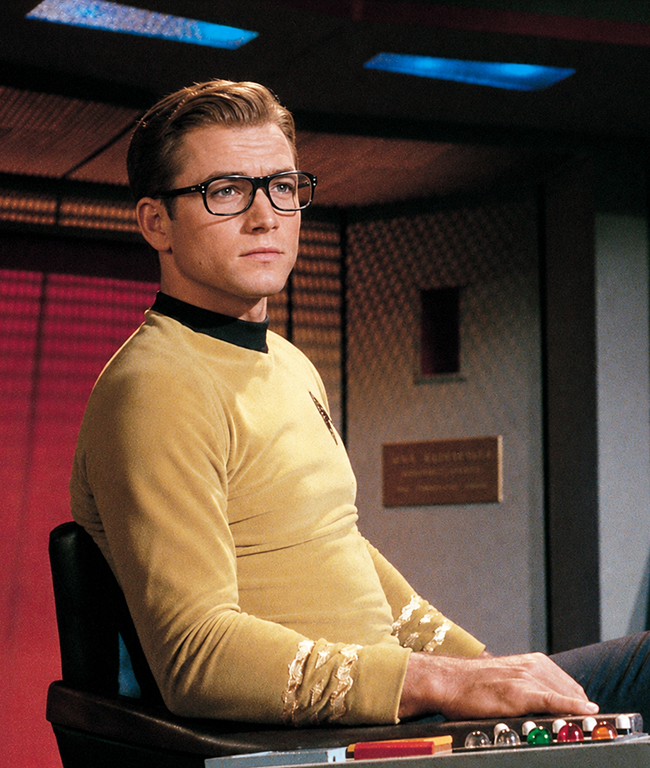
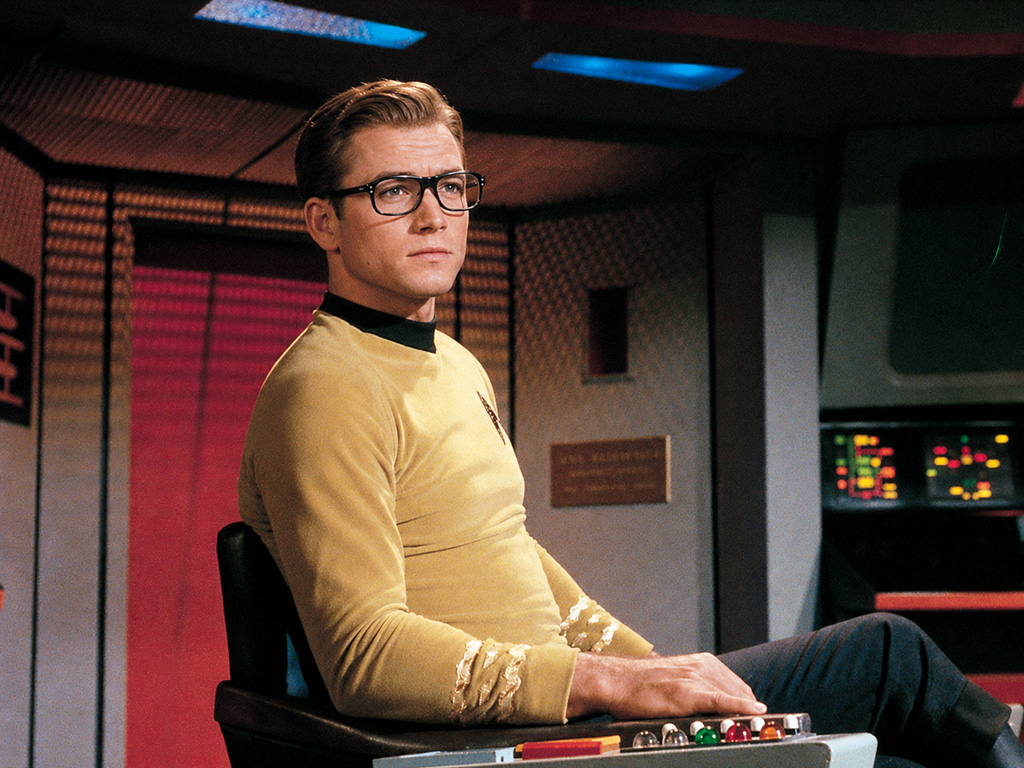
| Physical Description | Captain Faust stands 6'1" and weighs approximately 185 pounds. He has a lean, athletic build developed through years of running, swimming and Judo, with broad shoulders and a naturally sturdy frame rather than a heavily muscular physique. Tristan has fair skin, blue eyes and sandy light brown hair, usually worn short and neatly swept back from his forehead. His features have sharpened considerably since adolescence, although the softer cheeks, large eyes and youthful appearance visible in early photographs remain recognizable in the adult officer. This often makes him appear somewhat younger than his rank would suggest. By 2268 Tristan requires corrective lenses for mild nearsightedness and generally wears black rectangular eyeglasses while on duty. Combined with his otherwise youthful appearance, they give the 31 year old Captain a slightly more mature look without disguising how young he is for his position. |
Family
| Father | Commodore George Stefan Faust | |
| Mother | Anna Martin Faust | |
| Other Family | Godfather: Lt. Commander Marc Kitchener - Chief Medical Officer, U.S.S. Midway |
Personality & Traits
| General Overview | As Captain, Tristan deliberately remains approachable and visible. He makes regular rounds, works throughout the ship and attends crew social events so junior personnel see the Captain as a person rather than simply a rank. He gives younger officers meaningful opportunities to grow and prefers respect over fear. His personal investment in the crew can become a liability. Tristan has difficulty separating concern from responsibility and is willing to bend regulations when he believes his people, ship or mission require it. He is technically sophisticated but culturally anachronistic, drawn to mechanical watches, old cars and twentieth-century culture because they feel more tangible and understandable than starship command. |
|
| Strengths & Weaknesses | Tristan performs well under pressure and is comfortable making decisions with incomplete information. His broad experience in science, navigation and command allows him to understand problems across departments, while his strongest leadership skill is identifying and developing capable junior officers. Many of those strengths become weaknesses when taken too far. Tristan treats himself as an expendable command resource, sacrificing sleep, meals and personal time until stress has produced insomnia, caffeine dependence and worsening eyesight. He also blurs professional boundaries through personal recruiting, favors and his private relationship with Commander Heartfilia. Despite his outward confidence, Tristan remains prone to self-doubt and frequently questions whether he has earned opportunities that his record plainly supports. |
|
| Ambitions | Tristan achieved his principal career ambition when he became the first Captain of the Midway. His focus has shifted from obtaining command to deciding what kind of Captain he intends to become. He wants the Midway to develop capable officers, earn the trust of its crew and succeed without losing sight of the people carrying out the mission. Increasingly, the larger question is whether he can build a life beyond Star Fleet rather than become “nothing but the uniform.” |
|
| Hobbies & Interests | Tristan enjoys twentieth-century history and culture, particularly classic cars, mechanical watches, literature and film. He enjoys gin martinis, and follows hockey and baseball. He is a longtime Judo practitioner holding the rank of Nidan. Tristan also enjoys running, swimming and diving, and retains a strong affection for the ocean from growing up in San Diego. Ian Fleming’s James Bond novels are among his favorite books. |
|
| Religion/Guiding Philosophy | Catholic |
| Personal History |  Captain Faust's upbringing was marked by the challenges of having a parent in the space service. In his early years, his father, George's duties as a Starfleet Surgeon often left him with an inconsistent presence at home. He is rather close to his mother, Anna. As a boy Tristan had to navigate growing up without a consistent male role model and longed for more time with his Dad. Captain Faust's upbringing was marked by the challenges of having a parent in the space service. In his early years, his father, George's duties as a Starfleet Surgeon often left him with an inconsistent presence at home. He is rather close to his mother, Anna. As a boy Tristan had to navigate growing up without a consistent male role model and longed for more time with his Dad.During his early years, the family lived in a small house in San Diego. With George constantly on assignment, Anna and Tristan spent most of the year by themselves. At this time in his life, his mother kept him grounded by enrolling him in baseball and hockey. Tristan took to both sports with quiet determination. Although not the flashiest player on the field or ice, but the one always thinking ahead. Off the field, there was always that part of him counting the days until his father’s next return, memorizing ship schedules the way other boys memorized batting averages. 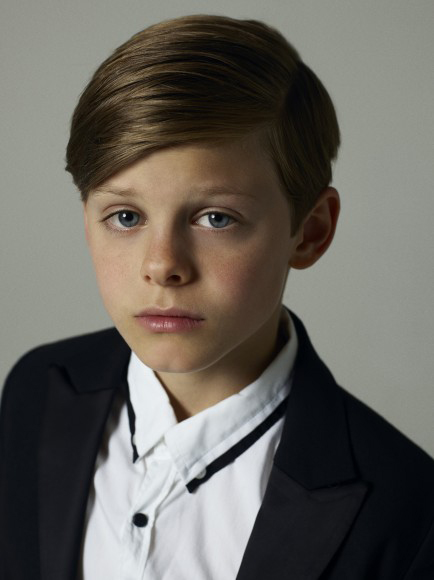 This situation began to change as Tristan grew into his teen years. George Faust had been promoted to command rank and, for the first time in his career, accepted a shore-based assignment at Starfleet Medical in San Francisco. It was a deliberate choice — one made, in part, to be closer to Anna and Tristan after years of scattered deployments and distant postings. This situation began to change as Tristan grew into his teen years. George Faust had been promoted to command rank and, for the first time in his career, accepted a shore-based assignment at Starfleet Medical in San Francisco. It was a deliberate choice — one made, in part, to be closer to Anna and Tristan after years of scattered deployments and distant postings.For Tristan, it was a difficult but welcomed adjustment. George made an effort to make up for lost time through evening chess matches at the kitchen table, repairs around the house and playing sports. George was a steadying influence, principled, and quietly attentive. He always taught by example and through stories gained from years of experience often delivered in a dry Southern drawl at the end of a long day. Tristan came to value those years enormously. It was in that time he learned many of the habits that would later define his leadership style such as measured thinking, precision and responsibility. These lessons were absorbed from living alongside a man who embodied them without needing to say much at all. The son of a Starfleet surgeon had grown up, and the man who had spent a lifetime in uniform finally had the time to teach him what that really meant. Tristan followed an unorthodox path to the center chair. Although following in his father’s footsteps by joining the service, he entered the academy in the sciences division due to his dual interest in stellar cartography and the emerging deutronic computer systems. 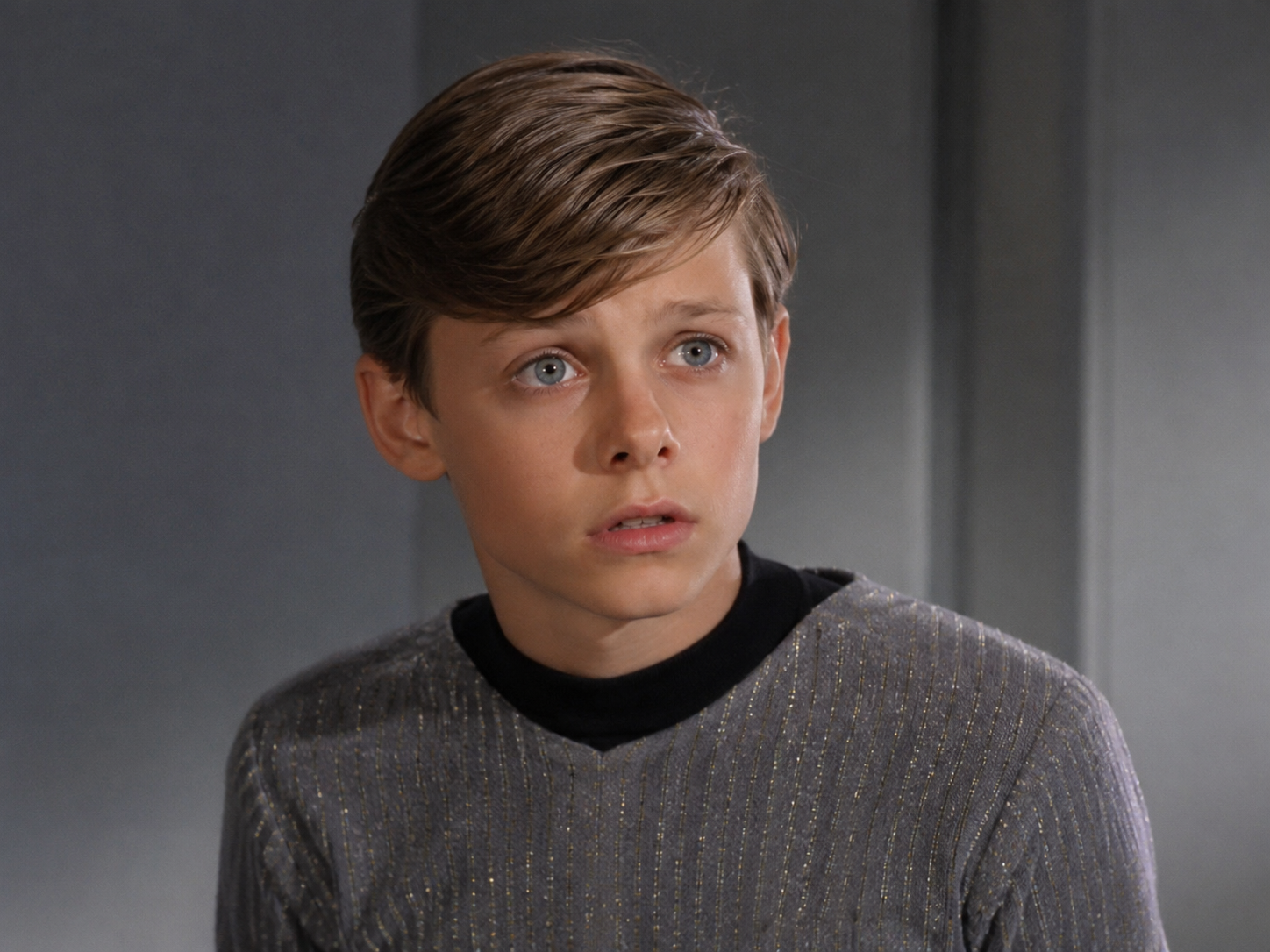 Tristan followed an unorthodox path to the center chair. Although he followed in his father’s footsteps by joining Starfleet, he had little interest in becoming a ship’s surgeon like his father. Instead he entered the Academy in the sciences, focusing on stellar cartography and the emerging deutronic computer systems. The choice was partly academic interest and quiet rebellion to build a career that was his own. Tristan followed an unorthodox path to the center chair. Although he followed in his father’s footsteps by joining Starfleet, he had little interest in becoming a ship’s surgeon like his father. Instead he entered the Academy in the sciences, focusing on stellar cartography and the emerging deutronic computer systems. The choice was partly academic interest and quiet rebellion to build a career that was his own.During most of Tristan’s Academy career the Federation was embroiled in the Four Years War with the Klingons. After completing his first year in 2255, Starfleet’s mounting personnel shortages led the service to begin drawing qualified Midshipmen directly from the Academy. Tristan’s studies were suspended and he received a temporary wartime commission as an Ensign. He was assigned as Science Officer aboard the aging Anton-class U.S.S. Plato (NCC-1416). The Plato had laid dormant in drydock when wartime losses forced Star Fleet to return the ship to active service. With her experienced crew transferred to new ships of the line, the old ship was recrewed with a mixture of recalled reservists, retirees and Academy midshipmen pressed into service and commanded by a lieutenant. 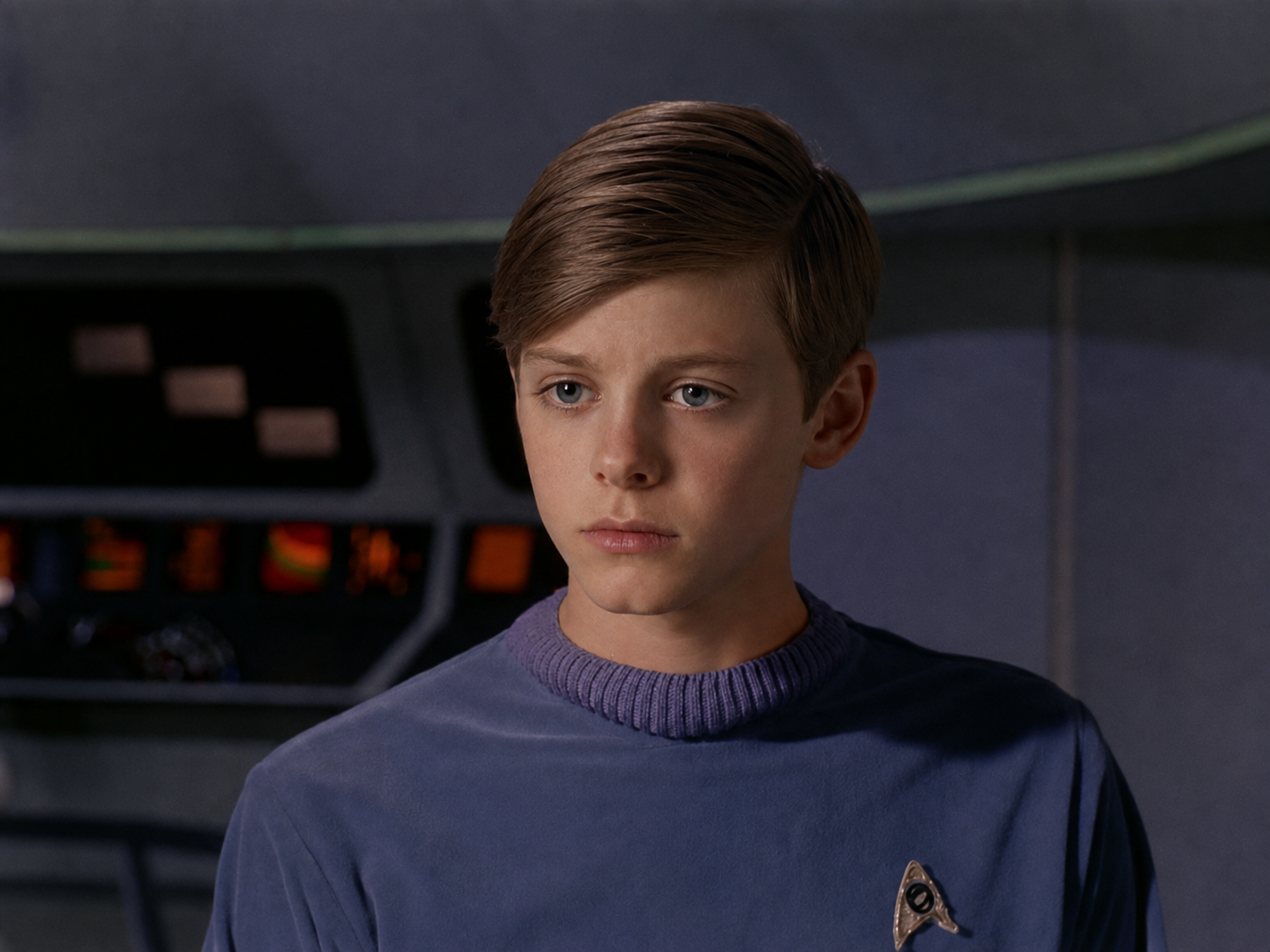 Tristan reported aboard with a simple set of orders and a set of textbooks. At eighteen years old he found himself responsible for a department he understood academically with no experience. One of the few remaining members of the Plato's former crew was the ship’s Chief of the Boat, Master Chief Petty Officer Frank London, whose familiarity with the aging vessel became an early influence on Tristan. The experience taught him although rank carried responsibility, it did not necessarily make the most knowledgeable person in the room. Tristan reported aboard with a simple set of orders and a set of textbooks. At eighteen years old he found himself responsible for a department he understood academically with no experience. One of the few remaining members of the Plato's former crew was the ship’s Chief of the Boat, Master Chief Petty Officer Frank London, whose familiarity with the aging vessel became an early influence on Tristan. The experience taught him although rank carried responsibility, it did not necessarily make the most knowledgeable person in the room.It was aboard the Plato that Tristan met fellow Midshipman Joseph Amato, who had also received a temporary commission as the ship’s navigator. The two became close friends during the war. Joseph was one of the few people able to draw Tristan away from his tendency to bury himself in duty and study, frequently reminding him that there had to be more to life than the uniform. The realities of the war quickly overtook the novelty of their first shipboard assignments. During a Klingon attack on a Federation convoy, the Plato suffered a direct hit that damaged the science spaces and killed another young Midshipman who was standing near Tristan on the bridge. This experience made Tristan realize that could have easily been him. After a moment’s hesitation Tristan continued his duties and guided the ship’s weapons to destroy the attacking Klingon frigate. Teaching Tristan that the sciences had an immediate consequence beyond the laboratory. During the campaign, the Plato’s collection of Midshipmen, reservists, retirees and regular personnel became an effective crew. One of Tristan’s exploits included working with Joseph Amato to combine scattered sensor contacts and navigation data to predict a Klingon ambush. The Federation escorts reached the ambush point first and surprised the Klingon raiders. Tristan’s wartime service culminated during the Battle of Axanar. The Plato served in a supporting role as part of the Federation screen, providing sensor coverage and assistance to damaged ships. During the fighting the vessel suffered heavy damage, crippling much of her sensor capability and wounding Chief London. With the main science console destroyed, Tristan organized a repair crew and improvised a partial sensor network. This allowed the Plato to continue her assigned role during the battle. The experience at Axanar did not convince Tristan that Starship command was his path. It did demonstrate his comfort in accepting responsibility and making decisions under pressure. His service aboard the Plato taught him several tenets of his command style: respect for experienced enlisted personnel, a willingness to act on incomplete information, trust in young officers and the tendency to postpone his own emotional response until later. If later ever came. 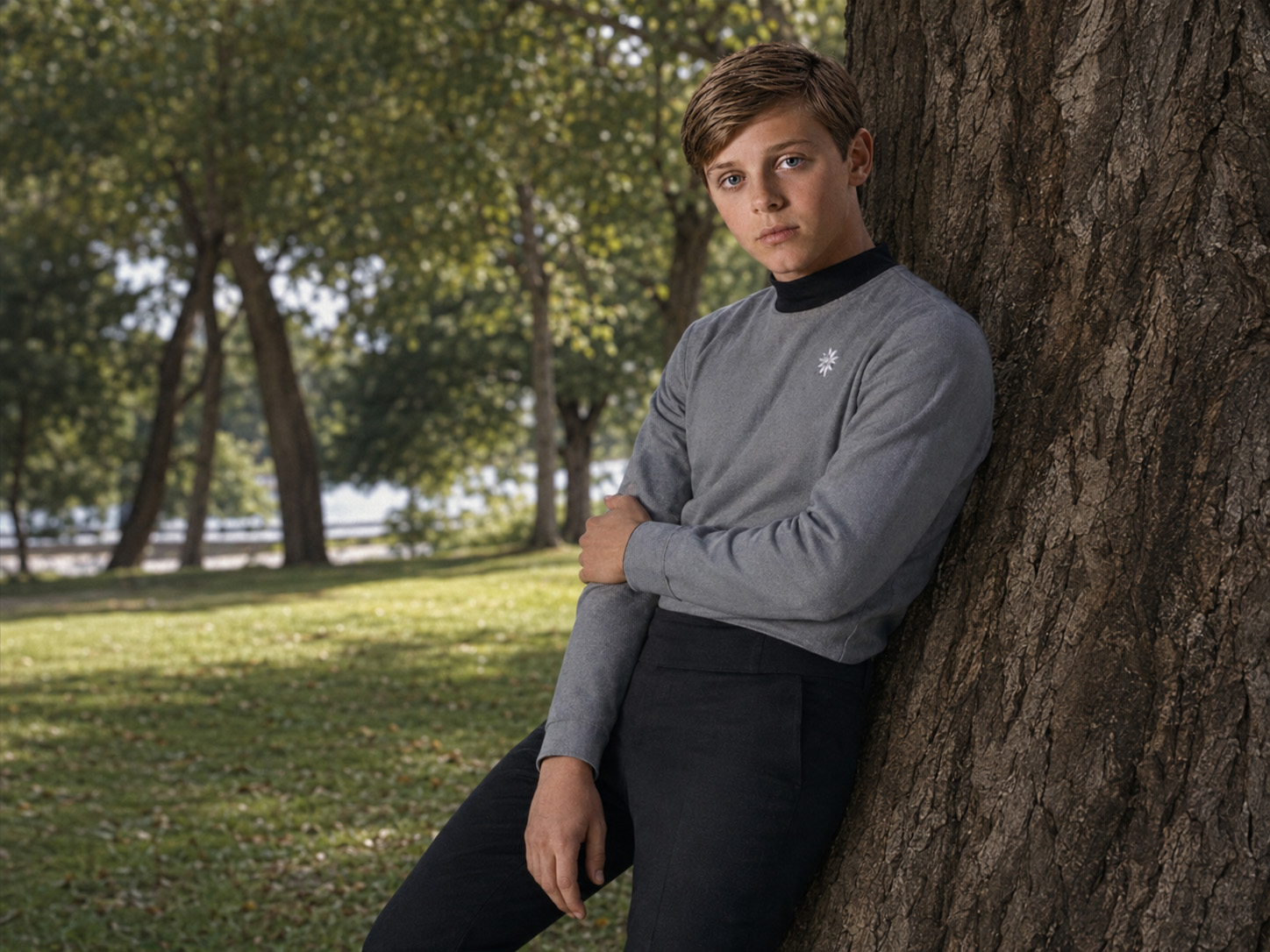 The Four Years War ended in mid-2256 and Tristan’s temporary commission expired. He returned to Starfleet Academy as a Midshipman to complete his education. Returning to coursework after serving aboard an operational starship proved an unusual adjustment, but Tristan remained an attentive student and approached his remaining studies with a more practical understanding of how theory translated to damaged equipment, incomplete information and real command decisions. The Four Years War ended in mid-2256 and Tristan’s temporary commission expired. He returned to Starfleet Academy as a Midshipman to complete his education. Returning to coursework after serving aboard an operational starship proved an unusual adjustment, but Tristan remained an attentive student and approached his remaining studies with a more practical understanding of how theory translated to damaged equipment, incomplete information and real command decisions.Tristan graduated from the Academy in 2258. Star Fleet credited his wartime commission, service as a department head and combat experience and rated him a Lieutenant Junior Grade and assigned to the U.S.S. Ticonderoga, an Ares-class ship, one of the very same warships that he supported from afar during the war. Despite his war time experience, Tristan still arrived at his first permanent assignment thinking of himself as a science officer. After graduating from Starfleet Academy in 2258, Tristan received his commission, rated a Lieutenant Junior Grade and was assigned to the U.S.S. Ticonderoga, an Ares-class ship commanded by Captain Brian Anderson. The posting carried considerable meaning for Tristan. During the Four Years War, the Ares-class ships formed the backbone of the Federation’s battle line while the Plato struggled to support the war effort with whatever Star Fleet could spare. Anderson and the Ticonderoga emerged from the conflict heavily decorated and were now assigned to frontier stabilization, diplomatic work and the cleanup following the war. 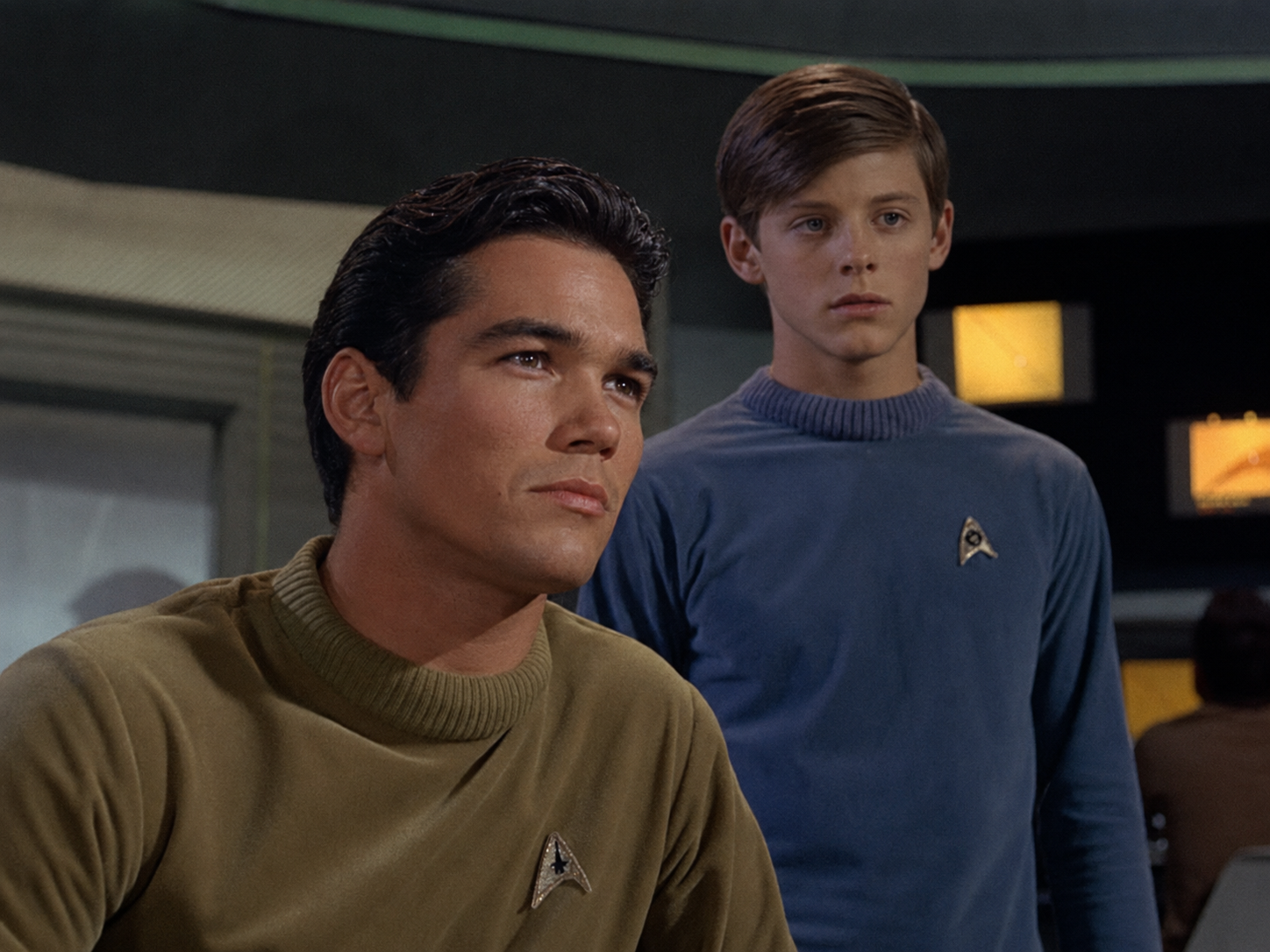 Tristan reported aboard as a junior science officer specializing in stellar cartography. The Ticonderoga gave him the opportunity to serve beneath experienced officers and learn how a properly staffed ship operated. Anderson deliberately selected several of the former wartime commissioned Midshipmen to fill out the Ticonderoga’s roster, believing they needed recovery as much as the rest of the Federation. Anderson’s interest in Tristan sharpened during an early rescue mission when the Ticonderoga needed to rescue a civilian vessel caught in an unstable spatial phenomenon. Despite Tristan’s uneasiness returning to space, the crisis revealed a different officer. His wartime experience taught him to remain calm with incomplete information, improvise when normal procedures failed and provide practical answers rather than waiting for perfect data. Anderson recognized both the usefulness of those habits and the amount of development still ahead of the young lieutenant. Tristan reported aboard as a junior science officer specializing in stellar cartography. The Ticonderoga gave him the opportunity to serve beneath experienced officers and learn how a properly staffed ship operated. Anderson deliberately selected several of the former wartime commissioned Midshipmen to fill out the Ticonderoga’s roster, believing they needed recovery as much as the rest of the Federation. Anderson’s interest in Tristan sharpened during an early rescue mission when the Ticonderoga needed to rescue a civilian vessel caught in an unstable spatial phenomenon. Despite Tristan’s uneasiness returning to space, the crisis revealed a different officer. His wartime experience taught him to remain calm with incomplete information, improvise when normal procedures failed and provide practical answers rather than waiting for perfect data. Anderson recognized both the usefulness of those habits and the amount of development still ahead of the young lieutenant.Over the next year, Anderson gradually expanded Tristan’s responsibilities beyond the science department. He assigned him additional bridge watches, included him in mission planning and increasingly asked for his judgment rather than simply reporting sensor readings. Tristan’s background in stellar cartography made him particularly effective at understanding routes, spatial relationships and the operational consequences. Anderson eventually offered him a transfer to Navigation. Tristan initially hesitated, as the sciences had been the career he deliberately chose for himself, but trusted the Captain and accepted. The transfer proved successful and Tristan soon rose to Chief Navigator and a promotion to full Lieutenant during the latter half of his first tour. Commander Tom Dietz, the ship’s executive officer, had initially intimidated Tristan. Dietz was the model of a stern and experienced wartime officer, but over time Dietz came to trust Tristan with increasingly independent responsibility. By 2261, Tristan had grown from the quiet science officer into a confident line officer capable of standing bridge watches and leading personnel away from the ship. 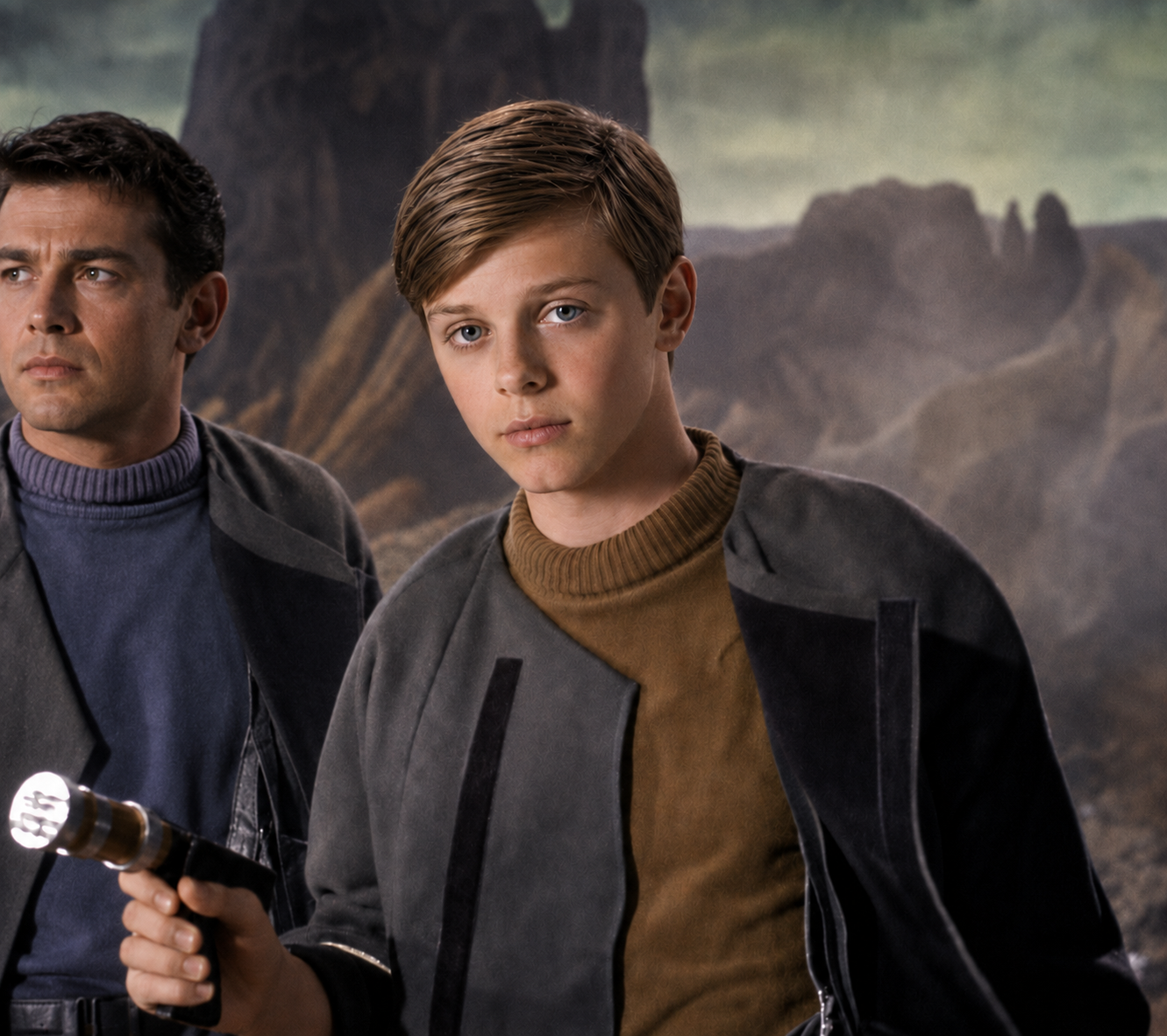 Near the end of his tour, the Ticonderoga detected an unidentified advanced sleeper vessel entering Federation space on an uncontrolled course toward an inhabited planet. Unable to completely stop the vessel, the Ticonderoga altered its trajectory and forced the vessel into a controlled landing in a remote region of the planet. While Captain Anderson coordinated with the planetary authorities and Commander Dietz commanded the ship, Tristan was tapped to lead the landing party investigating the wreck. Near the end of his tour, the Ticonderoga detected an unidentified advanced sleeper vessel entering Federation space on an uncontrolled course toward an inhabited planet. Unable to completely stop the vessel, the Ticonderoga altered its trajectory and forced the vessel into a controlled landing in a remote region of the planet. While Captain Anderson coordinated with the planetary authorities and Commander Dietz commanded the ship, Tristan was tapped to lead the landing party investigating the wreck.The landing party discovered that much of the strange vessel was empty or inactive except for a single functioning sleeper pod bearing the identification Ty-Yak Tay-ata R-yah Novo. The occupant, a young man near Tristan’s own age, awakened with no meaningful memory of his previous life. Over the coming months, Tristan took a personal interest in helping Novo acclimate to Federation society. With Anderson’s support he helped the young man learn about the world around him, navigate Starfleet and Federation institutions and eventually begin building a life of his own. Tristan’s handling of the sleeper-ship mission convinced Anderson that his young navigator possessed qualities that extended beyond technical skill. Mr. Faust demonstrated consistent sound judgment, successfully moved from Sciences into line operations, earned the confidence of senior officers and accepted responsibility for Novo even at mission’s end. Anderson advised Tristan to consider the command track, although Tristan was again unsure. By the end of 2261, Tristan accepted a position aboard the Constitution-class U.S.S. Republic under Captain Robert A. Fletcher with Anderson’s recommendation. The assignment placed him aboard one of Starfleet’s premier ships under one of its rising commanding officers and gave Tristan the opportunity to prove himself outside Anderson’s mentorship. He left the Ticonderoga as a full Lieutenant and experienced navigator, carrying with him the kernel of Anderson’s suggestion about considering command. Exploring that possibility became the defining question of his time aboard the Republic. 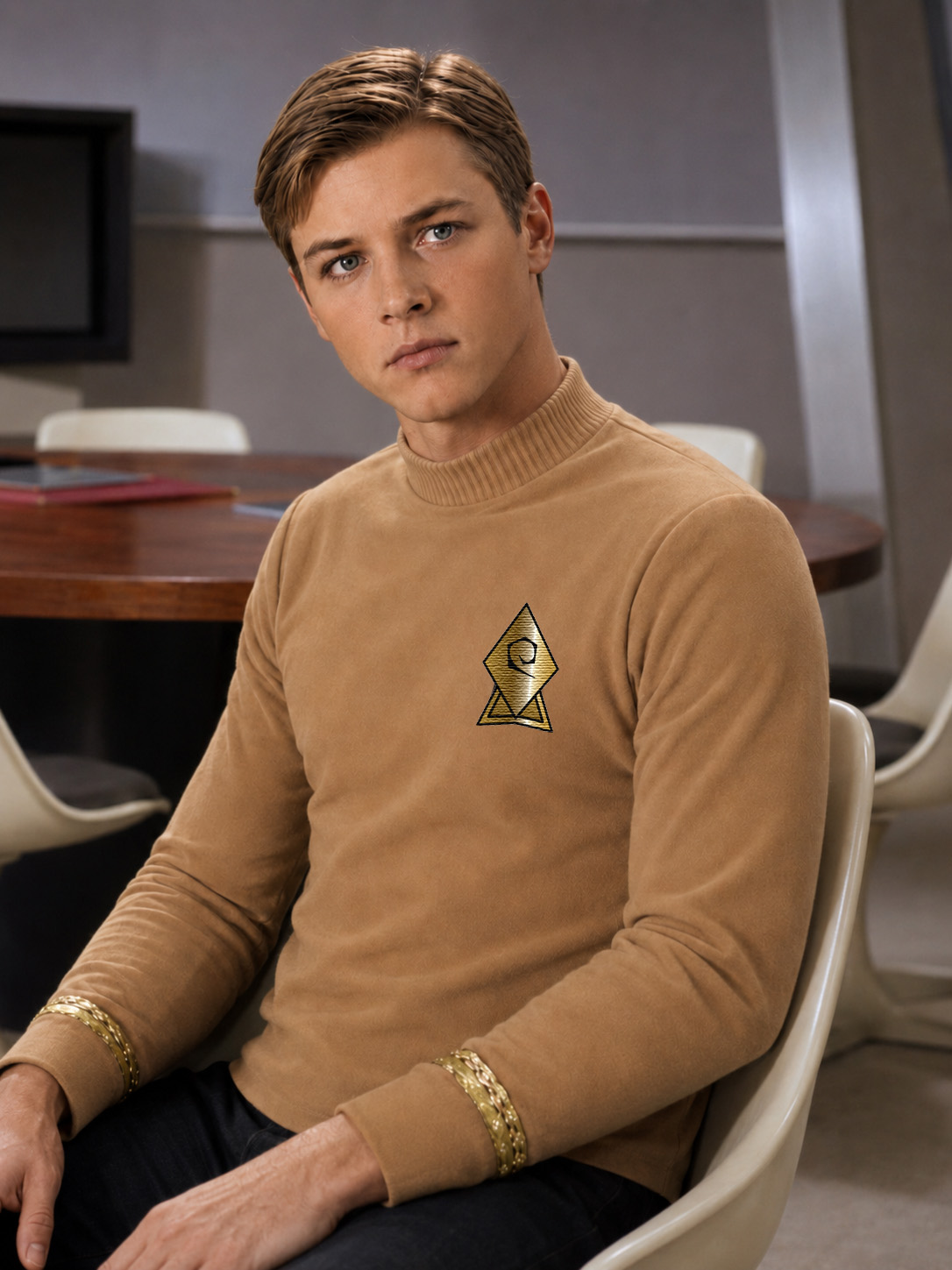 In 2261, Tristan left the U.S.S. Ticonderoga to accept the position of Chief Navigator aboard the Constitution-class U.S.S. Republic under Captain Robert A. Fletcher. The Republic was one of Starfleet’s premier assignments and Anderson urged Tristan to accept it. The Republic represented the direction Star Fleet was moving as the Constitution-class starships increasingly took responsibility for long-range exploration, first contact, diplomacy and major frontier crises. At age 24, Tristan arrived as a full Lieutenant with a strong record, but quickly found that aboard the Republic a strong record was simply the price of admission. In 2261, Tristan left the U.S.S. Ticonderoga to accept the position of Chief Navigator aboard the Constitution-class U.S.S. Republic under Captain Robert A. Fletcher. The Republic was one of Starfleet’s premier assignments and Anderson urged Tristan to accept it. The Republic represented the direction Star Fleet was moving as the Constitution-class starships increasingly took responsibility for long-range exploration, first contact, diplomacy and major frontier crises. At age 24, Tristan arrived as a full Lieutenant with a strong record, but quickly found that aboard the Republic a strong record was simply the price of admission.Captain Fletcher was a direct and demanding officer who expected his crew to understand their responsibilities without unnecessary supervision. Unlike Anderson, who deliberately cultivated promising officers throughout his crew, Fletcher invested heavily in officers who had already demonstrated that they could carry more. Tristan responded well to the environment. His scientific background in stellar cartography continued to influence his work at Navigation, allowing him to combine spatial reasoning, sensor information and operational judgment into a style that quickly earned Fletcher’s confidence. Over the next two years, Tristan became a regular officer of the watch. This routine duty gradually became genuine command experience through repetition. Fletcher eventually trusted him to hold the ship during increasingly important operations, teaching Tristan that command required more than controlling the vessel in front of him. Fletcher’s seniority meant the Republic occasionally operated as the lead vessel in small Federation task groups. During these assignments, Fletcher acted as both starship captain and the senior Federation authority on scene, coordinating other ships, diplomats, planetary governments and Starfleet objectives. From him, Tristan learned that the captain of a ship of the line had to consider consequences far beyond his own hull. An immediate tactical solution could become a political or strategic failure if the larger mission was ignored. This lesson became decisive in 2264 during a humanitarian crisis on Sherman’s Planet, whose sovereignty remained disputed between the Federation and Klingon Empire. A major agricultural and environmental failure threatened Federation sponsored settlements and forced Star Fleet to organize relief operations. The Republic arrived as the task force flagship operating under Fletcher’s coordination. As the crisis expanded, Fletcher became increasingly occupied with negotiations while the Republic’s executive officer managed the major surface relief effort, leaving Tristan in command of the ship. The situation deteriorated when a Federation relief vessel and civilians became endangered inside an area claimed by the Klingons. The Republic possessed the power to intervene directly, but crossing the disputed boundary with a Constitution-class starship risked turning the rescue into an apparent Federation military move and undermining the Captain’s negotiations. Unable to obtain immediate guidance, Tristan devised a solution that allowed the civilians to be rescued without forcing either government to surrender its territorial claim. Through his judgement, Tristan protected the people in danger while also protecting the larger Federation objective. Fletcher regarded the incident as evidence that Tristan had begun thinking like a commanding officer rather than merely an excellent navigator. Combined with his accumulated performance aboard the Republic, the mission supported his promotion to Lieutenant Commander. Fletcher soon designated him the ship’s Second Officer, placing Tristan firmly within Republic’s senior command structure. Tristan’s tour on the Republic changed Tristan’s relationship with command. Years ago Captain Anderson had asked him to consider the command track, but it was here that Tristan discovered he genuinely wanted the responsibility. Tristan was developing the command style he would carry over into his role as Captain. He adopted Fletcher’s insistence that a Starship Captain must think beyond the immediate needs of the ship, but retained Anderson’s strong interest in developing junior personnel throughout the crew. 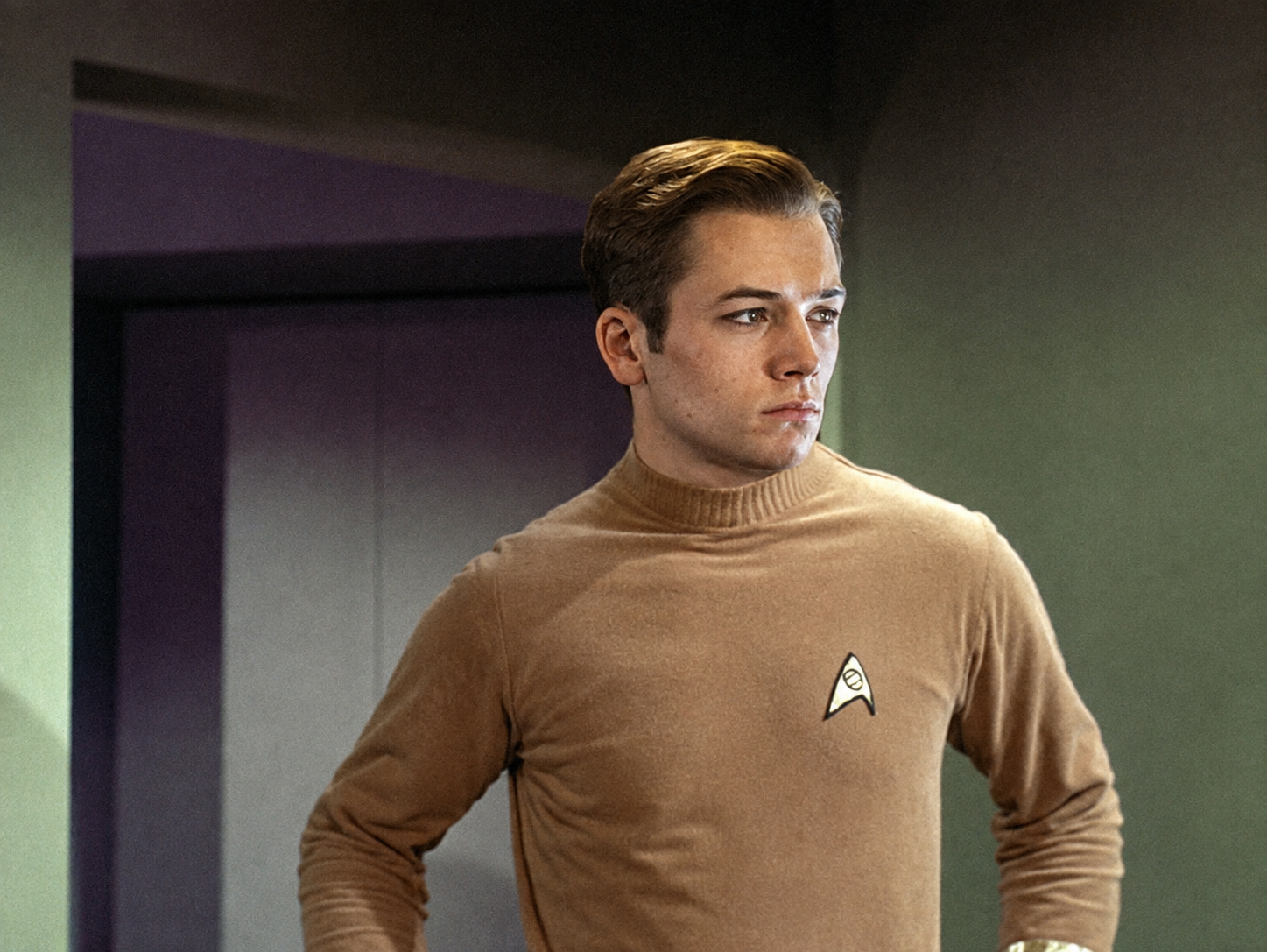 By 2265, Tristan had reached an enviable position as Lieutenant Commander and Second Officer one of Star Fleet’s ships of the line. However, he was at a crossroads, career wise. He understood that remaining indefinitely in the role could become a professional plateau. If he intended to reach Commander, Executive Officer, and eventually the command pool, he needed an Executive officer billet rather than another year on the Republic. When Captain Anderson offered him the Executive Officer position aboard the aging Ticonderoga, the assignment made career and emotional sense. By 2265, Tristan had reached an enviable position as Lieutenant Commander and Second Officer one of Star Fleet’s ships of the line. However, he was at a crossroads, career wise. He understood that remaining indefinitely in the role could become a professional plateau. If he intended to reach Commander, Executive Officer, and eventually the command pool, he needed an Executive officer billet rather than another year on the Republic. When Captain Anderson offered him the Executive Officer position aboard the aging Ticonderoga, the assignment made career and emotional sense.Years before, the Ticonderoga had become Tristan’s first real home in Starfleet and Anderson remained the officer who had deliberately invested in him. Tristan accepted the opportunity to return in 2265, but the home he returned to was no longer the ship he had left four years earlier. The Ares class was aging, familiar officers had moved on and Tristan himself returned as a seasoned Lieutenant Commander rather than a young lieutenant looking for direction. The ship still felt like home, although the familiar corridors increasingly contained unfamiliar faces. Most of the officers from his first tour had long since moved on. His return to Ticonderoga would be the final step in his preparation for starship command. In 2265, Lieutenant Commander Tristan Faust returned to the U.S.S. Ticonderoga after four years aboard the Republic. Commander Tom Dietz, the Executive Officer who had once intimidated Tristan as a young junior officer, had moved on to a command of his own and Captain Anderson requested Faust as his replacement. The decision made professional sense. Tristan now wanted a command of his own and understood that remaining a Second Officer, even aboard a prestigious Constitution-class ship, could become a comfortable plateau. Returning to the Ticonderoga also carried a personal pull. The ship still felt like home, although the familiar corridors increasingly contained unfamiliar faces. Most of the officers from his first tour had long since moved on. Tristan served as both Executive Officer and Navigator. The assignment exposed him to the less glamorous work of command that he had only seen from a distance aboard the Republic. He became responsible for personnel evaluations, training, discipline, departmental readiness, maintenance priorities, supply and the daily disputes that kept a starship operating. Anderson increasingly relied on Tristan to handle the internal life of the ship while bringing only the problems requiring the Captain’s authority. Their old mentor and protégé relationship gradually developed into a mature command partnership. Anderson remained his commanding officer, but Tristan was now a senior officer whose judgment Anderson depended upon rather than simply tested. The Ticonderoga Tristan returned to was also nearing the end of her own career. The Ares class had carried much of the Federation’s battle line during the Four Years War, but the newer Constitution-class ships increasingly represented Star Fleet’s future. The ship remained capable and continued to perform important assignments, although modernization priorities, aging systems and normal personnel rotations gradually made her approaching retirement more visible. Tristan had once boarded the ship believing she represented the pinnacle of Star Fleet. Now he could see the difference between a respected old ship and the new generation replacing her. 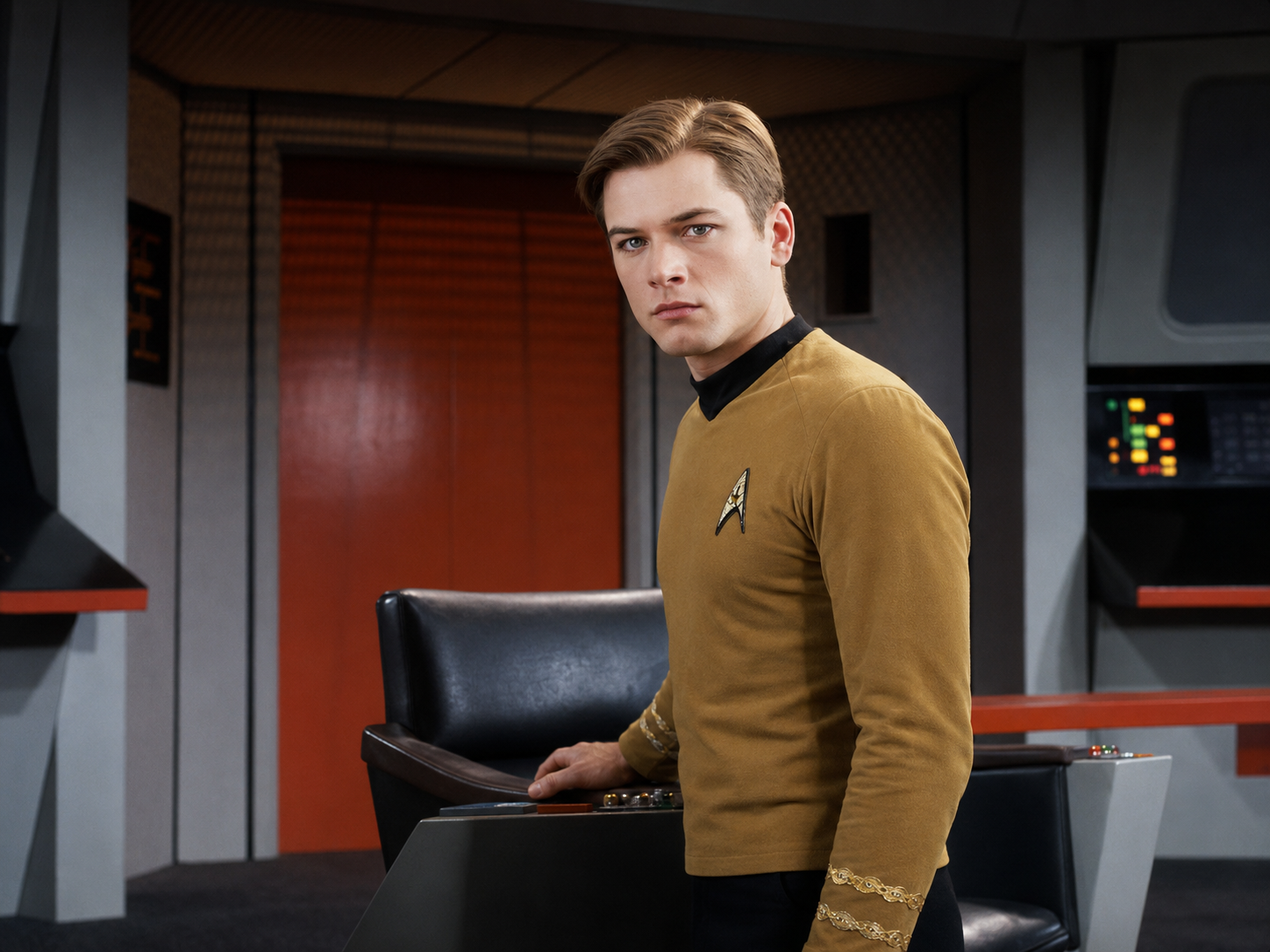 After sustained performance as Executive Officer, Tristan was promoted to Commander in 2267. That same year the brief Federation–Klingon War once again mobilized the Ticonderoga for conflict. The fighting ended abruptly following the Organian intervention, but the end of hostilities left Federation border worlds, transports and military forces scattered across a region that had prepared for a much longer war. Star Fleet assigned Captain Anderson command of a temporary group of starships and relief vessels responsible for stabilizing part of the frontier and unwinding the emergency. After sustained performance as Executive Officer, Tristan was promoted to Commander in 2267. That same year the brief Federation–Klingon War once again mobilized the Ticonderoga for conflict. The fighting ended abruptly following the Organian intervention, but the end of hostilities left Federation border worlds, transports and military forces scattered across a region that had prepared for a much longer war. Star Fleet assigned Captain Anderson command of a temporary group of starships and relief vessels responsible for stabilizing part of the frontier and unwinding the emergency.The mission placed both Anderson and Tristan into roles that foreshadowed their next assignments. Anderson increasingly operated above the level of his own ship, coordinating multiple captains, local authorities, relief priorities and the practical disengagement from the Klingons. With Anderson frequently away from the Ticonderoga or occupied with the larger task group, Commander Faust assumed day-to-day command of the ship for several weeks. Tristan now dealt with the sustained reality of captaincy: an exhausted crew, relief schedules, personnel problems, maintenance decisions, damaged systems and the continual requirement to keep an aging starship ready for the next assignment. The operation also pushed the Ticonderoga hard. The ship accumulated damage and maintenance problems that could be patched in the field but not completely repaired without a yard period. Experienced personnel were already beginning to rotate to newer assignments, and some aging systems required more attention than they once had. Near the end of the stabilization operation Anderson considered sending her on another important assignment and asked Tristan for the ship’s readiness. Tristan concluded she could probably complete the mission but recommended against it. The damage, tired crew, reduced personnel and availability of newer ships made the additional risk unnecessary. Anderson accepted the recommendation. For Tristan the decision was important precisely because there was no catastrophe proving him correct. The Ticonderoga probably could have completed one more mission. His responsibility was no longer to prove what either he or the famous old cruiser could survive, but to decide what risk was justified. The ship had carried the Federation through two conflicts with the Klingons and had already done more than enough. The 2267 relief operation confirmed the direction both officers were already moving. Anderson had demonstrated he could command an entire regional operation, while Tristan had spent weeks effectively functioning as a Captain. Anderson recommended him for independent command, adding his endorsement to the strong evaluations from Captain Fletcher. Although Tristan continued to privately wonder whether his father’s rank had helped his advancement, Tristan’s record already made the case. In November 2267, Commander Faust was detached from the Ticonderoga and assigned to oversee the final construction and commissioning of U.S.S. Midway, NCC-1743, as her prospective Commanding Officer. The posting made unusual use of his entire background. His education in science and computer systems, years in Navigation, Constitution-class service, and experience as an Executive Officer allowed him to work closely with the yard and technical personnel responsible for finishing the advanced new ship. Tristan expected approximately a year before the Midway’s planned November 2268 launch and began the work of turning a construction project into a functioning starship. In November 2267, Commander Tristan Faust was detached from the U.S.S. Ticonderoga and assigned to oversee the completion and commissioning of the Constitution-class U.S.S. Midway, NCC-1743, as her prospective Commanding Officer. Tristan initially expected roughly a year before the vessel’s planned November 2268 launch. The assignment made use of the breadth of his career. His background in science and computer systems, years in Navigation, Constitution-class service aboard the Republic and experience as an Executive Officer allowed him to work closely with the yard personnel finishing the advanced new ship. Over the next six months Tristan became personally invested in the Midway before he ever formally sat in her center chair. The timetable changed abruptly when Star Fleet accelerated the launch of ships already under construction. Midway was ordered into service six months ahead of schedule and between normal crew rotation cycles. Experienced personnel were already committed throughout the fleet, leaving Tristan and Commander Lucy Heartfilia to assemble a crew from the officers actually available. Tristan called in favors, recruited recent Academy graduates, brought aboard cadets and encouraged cross-training where necessary. The situation carried an irony he understood better than most. Star Fleet had once commissioned Tristan early during the Four Years War because it desperately needed officers; now Tristan deliberately gave young personnel meaningful responsibility while trying to provide the supervision and support that wartime necessity had not always given him. Several of his earliest recruits were deeply personal choices. Tristan persuaded his godfather, Dr. Marc Kitchner, to leave a senior medical career on Earth and return to active starship service as Midway’s chief surgeon. He also turned to Ty-Yak Novo, the gifted engineer Tristan and Anderson had helped build a life after Ticonderoga discovered him in 2261. Novo had become Midway’s yard project manager and, when the launch was advanced, Tristan selected him as Chief Engineer because few officers understood the unfinished ship better. Michael Amato, the younger brother of Tristan’s missing friend Joseph, joined the medical staff as a surgical resident. Mike was professionally qualified, but Tristan also hoped Midway might eventually be assigned to investigate the disappearance of the U.S.S. Defiant. The U.S.S. Midway officially launched on May 21, 2268 with Tristan as her first Captain. What should have been a routine shakedown cruise quickly became a genuine emergency when a Federation distress call near the Triangle proved to be a trap laid by Orion pirate Captain Arriana D’Tal. Midway was overrun and several crew members were abducted. Tristan and his crew, with assistance from the enigmatic Alcibiades Xod, ultimately recovered the hostages, but the experience stripped away any remaining abstraction surrounding command. Several rescued officers returned badly traumatized, and Tristan’s personal involvement in their recovery helped establish the people-focused command style that would define his first tour. After repairs and recovery at Starbase 10, Midway received her first official diplomatic assignment: transporting Federation representative St. John Talbot to Nimbus III, the Planet of Galactic Peace. The mission was nearly destroyed by sabotage when the warp system was driven toward overload and normal shutdown controls failed. Tristan ordered an emergency hard stop that saved the vessel, while Commander Heartfilia later exercised command during the continuing crisis and Romulan interference. The subsequent investigation identified Novo as the immediate source of the sabotage, confronting Tristan with one of the most painful consequences of recruiting through personal trust. Tristan refused to allow that personal history either to excuse Novo or to reduce him immediately to a conventional traitor. Working with Lieutenant Miyake, Dr. Kitchner, Dr. Amato and Ensign S’Tare, the crew discovered evidence that Orion and Romulan agents had exploited Novo’s deteriorating mental state, conditioned him and implanted commands. Midway completed the Nimbus III assignment before returning to Starbase 10. With medical recommendation and Commodore Anderson’s approval, Novo was removed from active duty and placed on extended medical leave. For Tristan the episode complicated the idea of command as stewardship that had begun when he first helped Novo years earlier. Caring for someone did not always mean keeping them within his protection or command. The next assignment was the one Tristan had been awaiting since before Midway launched. Star Fleet dispatched the ship to investigate the fate of U.S.S. Defiant, whose crew included Tristan’s closest friend Joseph Amato. The Enterprise had already reported the crew lost after Defiant entered the Interphase, but evidence suggested the ship itself had been displaced into a parallel universe. Midway was ordered either to recover the vessel or destroy it before an advanced Federation starship could destabilize another reality. Tristan wanted closure for Joseph, Mike and the other families, but the mission required him to separate that personal need from the larger responsibility Star Fleet had given him. Midway passed through the Interphase in pursuit of Defiant and eventually returned after the lost starship had been relocated and destroyed. Joseph was not coming home. Tristan responded in the way he had learned during the Four Years War: by remaining useful. He concentrated on helping Mike through the loss and moved quickly into the responsibilities waiting for him rather than stopping to grieve himself. Anderson later recognized the pattern and privately asked the medical staff to keep an eye on his former Executive Officer. The habit that had once allowed an eighteen-year-old Ensign to survive wartime emergencies, act now and process later, followed Tristan into the Captain’s chair. During the same period Tristan’s relationship with Commander Heartfilia became increasingly personal. Their private romantic relationship gave Tristan a life aboard Midway that existed outside official duty while simultaneously complicating the boundary between his personal life and the chain of command. Publicly the two continued to function as Captain and First Officer; privately Lucy became one of the few people able to interact with Tristan without treating “the Captain” as the most important fact about him. Midway’s subsequent mission to New Paradise demonstrated how quickly the rushed crew had matured. A deadly outbreak of Regulan Bloodworms created an urgent need for Xenoderm, the only known treatment, only for the shipment to be hijacked by Orion pirates. Midway was dispatched to recover it and ultimately delivered the lifesaving treatment. By then the ship that had launched short of experienced officers was functioning as a genuine line vessel, repeatedly handling humanitarian emergencies, piracy, repairs, personnel turnover and difficult assignments throughout the Triangle. By the autumn of 2268 the strain of continuous operations was beginning to show physically. Tristan’s habit of neglecting sleep, meals and his own recovery, combined with earlier injuries and a minor corneal injury, contributed to worsening vision and the need for corrective lenses. Following the successful delivery of Xenoderm, Midway returned to Earth and Tristan briefly attempted to take leave, including time with his family and Commander Heartfilia. The respite ended when Admiral Nogura personally recalled him to Star Fleet Operations. A planet and then an entire star system near the site of Defiant’s disappearance had destabilized as the Interphase began expanding again. Tholian activity raised the possibility that the phenomenon was being deliberately manipulated. Nogura ordered Midway back to the region because Tristan and his crew now possessed more practical experience with the Interphase than anyone else in Star Fleet. |
|
| Service Record | 2254–2255: Star Fleet Academy - Midshipman 2255–2256: U.S.S. Plato - Ensign, Science Officer 2256–2258: Star Fleet Academy - Midshipman 2258–2259: U.S.S. Ticonderoga - Lt. JG – Science Officer (Stellar Cartographer) 2259–2261: U.S.S. Ticonderoga - Lt. JG to Lieutenant - Navigator to Chief Navigator 2261–2265: U.S.S. Republic - Lieutenant to Lt. Commander - Chief Navigator / Second Officer 2265–2267: U.S.S. Ticonderoga - Lt. Commander to Commander - Chief Navigator / Executive Officer 2267-2268: Midway Development Program - Captain - Supervising Officer 2268: U.S.S. Midway - Captain - Commanding Officer |